




Sep 24 · 5 min read
How GenAI is Completely Redefining Jobs in 2025: The Future is Here!
Hey college friends! Imagine this: you sip your coffee, check emails, andââ'¬"bam!ââ'¬"your AI assistant has already done half your tasks. Feels like sci-fi, right? Welcome to 2025, where Generative AI (GenAI) is more than a buzzwordââ'¬"itââ'¬â"¢s reshaping how we work, play, and even worry about our future careers.
GenAI in the Workplace: Not Taking Jobs, Just Changing Them
Forget the doom headlines. GenAI isnââ'¬â"¢t here to snatch your job while you nap. Think of it as that over-enthusiastic intern who handles boring chores so you can focus on the fun, challenging stuff.
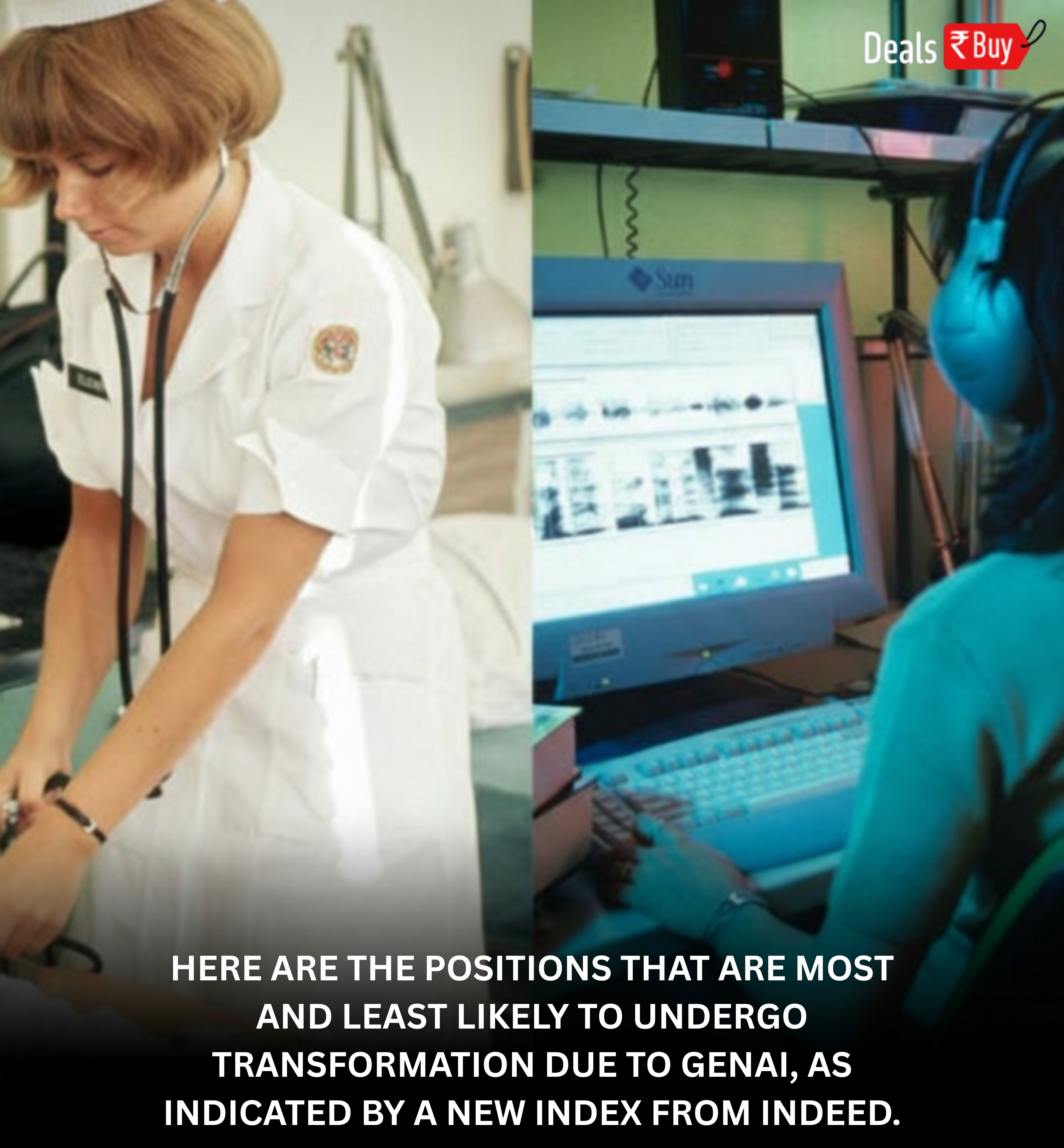
The Indeed GenAI Skill Transformation Index (GSTI) checked almost 2,900 skills across industries. It didnââ'¬â"¢t ask ââ'¬Å"Can AI replace humans?ââ'¬ââ'¬"it asked ââ'¬Å"How can humans and AI work together?ââ'¬ The answer: teamwork, baby.
- 26% of jobs are rapidly transforming.
- 54% will see moderate changes.
- 46% of US job skills are ready for hybrid transformationââ'¬"AI handles repetitive stuff, humans handle the tricky parts.
The 4 Levels of GenAI Transformation
Think of GenAI as a quirky roommate: sometimes helpful, sometimes intrusive. Jobs fall into four categories:
1. Minimal Transformation
Humans = essential. Examples: patient care, employee relations, network admin. Why? AI canââ'¬â"¢t replicate physical presence or emotional intelligence.
2. Assisted Transformation
AI helps, humans steer. Examples: teaching, environmental law, trading. AI can suggest tools and templates, but humans think and decide.
3. Hybrid Transformation
AI handles boring tasks, humans supervise. Examples: medical coding, travel planning, proofreading. Humans manage exceptions, ethics, and big decisions.
4. Full Transformation
AI could run the show, but cautiously. Examples: basic math, image categorization, prompt engineering. Only 1% of skills are here, so breathe easyââ'¬"college roles arenââ'¬â"¢t vanishing.

How Different Jobs Are Feeling GenAI
Nursing: Humans Still in Charge
Nurses, relax. Patient care, empathy, quick decisions = safe. AI steps in for:
- Medical coding
- Translating for patients
- Admin paperwork
AI = supportive teammate, not replacement.
Software Development: Less Coding, More Oversight
Developers, get ready. 82% of IT skills and 59% of languages/frameworks can be partially automated. AI helps with:
- Routine code
- Debugging
- Architecture suggestions
Humans guide and validate. You become the ââ'¬Å"AI orchestra conductor.ââ'¬ Productivity may rise, so early-career devs, boost your AI supervision skills!
The Middle Majority: Jobs That Could Go Either Way
About 54% of US jobs are moderately transformed. These include marketing, HR, project managementââ'¬"roles blending creativity and routine tasks. AI can handle analytics, data entry, or scheduling. Humans focus on strategy and problem-solving. Early AI adopters win, laggards risk falling behind.
Choosing the Right AI Model
Not all AI is created equal. Some are like chocolate chip cookies, others like raisin cookies. Some outputs are inconsistent, some unpredictable. Picking the right AI model is a critical business move.
Hybrid Transformation: The New Normal
Hybrid isnââ'¬â"¢t temporaryââ'¬"itââ'¬â"¢s often the goal:
- AI handles repetitive work
- Humans supervise, intervene, and add creativity
Example: marketing AI drafts emails, humans strategize, analyze data, and connect emotionally with customers.

GenAI Skills Breakdown
- Minimal transformation: 40%
- Assisted transformation: 12%
- Hybrid transformation: 40%
- Full transformation: 1%
Technology dominates deeper transformations: 54% of hybrid skills and 57% of fully transformable skills are tech-related. Bottom line: AI takes over routine tech tasks, humans stay irreplaceable in creativity and decision-making.
Real-Life Wins with GenAI
- Healthcare: Less paperwork, more patient care.
- Software: Routine coding automated, focus on innovation.
- Business Ops: Smarter recruitment, better workflows.
- Travel & Logistics: AI plans routes, humans handle exceptions.
GenAI = productivity booster, not job snatcher.
Tips for Students & Job Seekers
- Upskill in judgment, creativity, critical thinking, and AI oversight.
- Learn AI toolsââ'¬"early familiarity = advantage.
- Stay adaptableââ'¬"hybrid skills are gold.
Remember: itââ'¬â"¢s not AI replacing humans, itââ'¬â"¢s humans + AI creating better results.
Conclusion: Adapt, Donââ'¬â"¢t Panic
- Roles needing physical presence or human touch = safer.
- Routine, cognitive tasks = AIââ'¬â"¢s playground.
- Hybrid approach = sweet spot of efficiency + creativity.
- Business adoption + worker reskilling = unlocking full potential.
Quick Summary
- 2,900 skills analyzed; impact varies.
- 1% fully automatable.
- 40% minimal transformation (humans dominate).
- 40% hybrid (AI + humans collaborate).
- Software dev highly impacted; nursing safer.
- Mid-level jobs = strategic AI adoption crucial.


